Water damage is one of those commercial property problems that can begin with something as minor as a dripping pipe, blocked gutter or deteriorated roof seal. Left unnoticed, however, a small amount of moisture can develop into damaged ceilings, mould growth, deteriorating finishes, electrical hazards and costly interruptions to business operations.
For owners, facility managers and property managers, preventing water damage should therefore be an important part of preventative building maintenance Perth strategies.
Rather than waiting a long time until water is visibly entering a building, preventative maintenance focuses on identifying vulnerabilities early, correcting minor defects and regularly checking the systems responsible for keeping water where it belongs.
For commercial properties across Perth, a structured maintenance program can help protect the building, its occupants and the long-term value of the asset.
Why Water Damage Is a Serious Commercial Property Risk
Commercial buildings contain numerous areas where water-related problems can develop. Plumbing systems, roofs, gutters, bathrooms, kitchens, air-conditioning equipment and external drainage can all become potential sources of leaks.
The challenge is that water damage is not always immediately visible.
A leaking pipe behind a wall, for example, may remain unnoticed until staining appears on plasterboard. Similarly, deteriorated roof flashing might only cause problems during periods of heavy rainfall.
By then, moisture may already have affected insulation, ceiling materials or other parts of the building.
The consequences can extend beyond the initial repair. Water intrusion may contribute to:
This is why prevention is generally preferable to repeatedly responding to emergencies.
1. Schedule Regular Roof Inspections
The roof is one of a commercial building’s most important defences against water intrusion.
Over time, roofing materials, sealants, flashing and penetrations can deteriorate. Storms, wind, debris and normal ageing can also create vulnerabilities that may not be obvious from ground level.
A preventative maintenance schedule should include periodic roof inspections, particularly before and after periods of severe weather.
Maintenance teams should look for issues such as damaged roofing materials, deteriorated seals, loose flashing, blocked drainage points and evidence of standing water.
Early attention to relatively minor roofing defects can help prevent much larger internal problems.
2. Keep Gutters and Downpipes Clear
Gutters and downpipes are designed to move rainwater away from a building efficiently. When they become blocked by leaves, dirt or other debris, water can overflow and find its way into walls, ceilings or foundations.
Commercial buildings surrounded by trees or exposed to significant debris may require more frequent cleaning.
As part of preventative building maintenance Perth, gutters, downpipes and roof drainage systems should be inspected and cleaned according to the property’s conditions and requirements.
Maintenance teams should also check that downpipes remain securely connected and that water is being discharged appropriately away from vulnerable areas.
3. Inspect Plumbing Before Small Leaks Become Major Problems
Not every water damage incident starts with rain.
Internal plumbing is another significant source of commercial property water damage. Ageing pipes, loose connections, damaged fittings and faulty fixtures can all cause leaks.
Routine plumbing inspections can help identify warning signs such as:
High-use areas including bathrooms, kitchens, staff facilities and plant rooms deserve particular attention.
Finding and repairing a small leak early is considerably less disruptive than dealing with a burst pipe and flooded commercial premises.
4. Check Bathrooms, Kitchens and Wet Areas
Commercial wet areas are exposed to water every day, making them particularly important within a preventative maintenance program.
Maintenance inspections should assess taps, sinks, toilets, pipes, seals, waterproofed areas and visible joints.
Cracked sealant, damaged grout or leaking fixtures may initially appear cosmetic, but they can allow moisture to reach surrounding materials.
Regular inspections and prompt repairs help keep these spaces functional while reducing the risk of concealed moisture damage.
5. Maintain External Drainage
Preventing water damage is not limited to what happens inside the building.
External drainage has an important role in directing rainwater away from walls, entrances and foundations. Blocked drains or poorly performing drainage areas can allow water to accumulate around a commercial property.
Facility managers should regularly inspect external drains, grates and surrounding areas for debris or signs of poor drainage.
Water pooling close to a building after rainfall can be an important warning sign that further investigation is required.
Keeping external drainage functioning correctly is particularly important before periods when heavier rainfall may occur.
6. Look for Early Signs of Moisture
Preventative maintenance depends on noticing problems before they become emergencies.
Building managers and maintenance personnel should therefore be familiar with common signs of hidden water intrusion.
These can include ceiling stains, bubbling paint, warped materials, damp carpet, peeling finishes, mould, discolouration and musty odours.
Repeatedly painting over a water stain, for example, does not resolve the source of the problem.
When moisture is detected, the priority should be to determine where it is coming from and address the underlying cause.
7. Include HVAC Systems in Your Maintenance Program
Heating, ventilation and air-conditioning systems can also contribute to moisture problems.
Condensation, blocked drainage lines or poorly maintained components may allow water to accumulate in areas where it should not.
Regular HVAC inspection and servicing can help ensure drainage and condensation management systems are functioning correctly.
This also demonstrates why commercial maintenance should be approached as a coordinated program rather than a collection of unrelated repairs.
Roofs, plumbing, drainage and building systems can all influence the condition of the property.
8. Maintain Doors, Windows and External Seals
Water can enter commercial buildings through deteriorated seals around windows, doors and façade penetrations.
Exposure to weather gradually affects sealants and joints, creating gaps through which moisture may enter during rain or storms.
Regular external inspections should identify cracked, missing or deteriorated seals and other vulnerable areas.
Addressing these defects promptly can help protect internal walls, flooring and finishes.
9. Create a Planned Preventative Maintenance Schedule
One of the most effective ways to reduce water damage risk is to move away from purely reactive property maintenance.
Reactive maintenance begins when something has already failed.
Preventative maintenance aims to identify and correct potential failures beforehand.
A structured preventative building maintenance Perth program might include scheduled inspections of roofing, gutters, plumbing, drainage, wet areas, external seals and building systems.
Records should also be maintained so property managers can track recurring defects and understand when particular assets were last inspected or repaired.
This approach makes maintenance more systematic and can assist with planning expenditure rather than constantly responding to unexpected problems.
10. Respond Quickly When a Leak Is Found
Even well-maintained commercial buildings can experience unexpected leaks.
The difference is often how quickly the problem is identified and addressed.
When water intrusion occurs, the source should be located and controlled as quickly as possible. Affected areas should then be assessed for moisture and damage rather than assuming the problem is resolved simply because visible water has disappeared.
Fast action may help limit the extent of damage and reduce disruption to normal commercial operations.
Why Preventative Maintenance Makes Commercial Sense
Regular building maintenance is about more than appearance.
For commercial property owners and managers, it is an important part of protecting an asset and maintaining a safe, functional environment.
Planned maintenance can help identify minor defects before they become larger problems, reduce unexpected disruptions and support the longevity of building components.
It can also make budgeting easier because maintenance requirements can be identified and prioritised instead of every problem becoming an urgent repair.
For multi-tenant offices, retail properties, educational facilities, government buildings and other commercial environments, this organised approach can be particularly valuable.
Partner With Woodside Group for Commercial Building Maintenance in Perth
Preventing water damage requires consistency. Roofs need checking, drainage needs clearing, plumbing needs monitoring and minor defects need attention before they develop into major repairs.
Woodside Group provides property construction, renovation and maintenance services for residential and commercial properties, with more than 25 years of industry experience. The company provides preventative maintenance, scheduled maintenance and commercial property maintenance solutions across Perth.
A tailored maintenance program can help property owners and facility managers identify potential problems early while keeping buildings safe, functional and well presented.
Frequently Asked Questions
What is preventative building maintenance?
Preventative building maintenance is a planned approach to inspecting, servicing and repairing building components before significant failures occur. It can include roof inspections, plumbing checks, gutter cleaning, drainage maintenance, HVAC servicing and general building inspections.
How does preventative maintenance help reduce water damage?
Regular inspections can reveal issues such as deteriorated roof seals, leaking pipes, blocked gutters and damaged external joints before they allow significant quantities of water into a building. Correcting these problems early can reduce the likelihood of extensive damage.
How often should a commercial building be inspected for water damage?
There is no single schedule suitable for every property. Inspection frequency depends on factors including the building’s age, design, condition, usage and exposure to weather. Higher-risk areas may require more frequent attention, and inspections may also be appropriate following severe weather.
What are common signs of hidden water damage?
Common warning signs include ceiling or wall staining, bubbling or peeling paint, mould, musty smells, damp flooring, warped materials and unexplained moisture. These signs should be investigated to determine the underlying source.
Which parts of a commercial building are most vulnerable to water damage?
Roofs, gutters, downpipes, plumbing systems, bathrooms, kitchens, HVAC drainage systems, windows, doors and external drainage are among the areas that should receive regular attention.
Why use professional preventative building maintenance in Perth? Professional maintenance provides a structured approach to property care. Scheduled inspections can identify developing defects, prioritise repairs and help commercial property owners reduce the likelihood of unexpected maintenance problems.

Renovation can feel like navigating a maze blindfolded. But with Woodside Group, your roadmap for creating stunning and functional kitchens...
Your home reflects both your individuality and taste; when people visit, every corner reveals something about you. Don’t stay behind...
Maintaining commercial premises in Perth’s bustling metropolis is more than simply an aesthetic decision—it’s a calculated risk taken to protect...
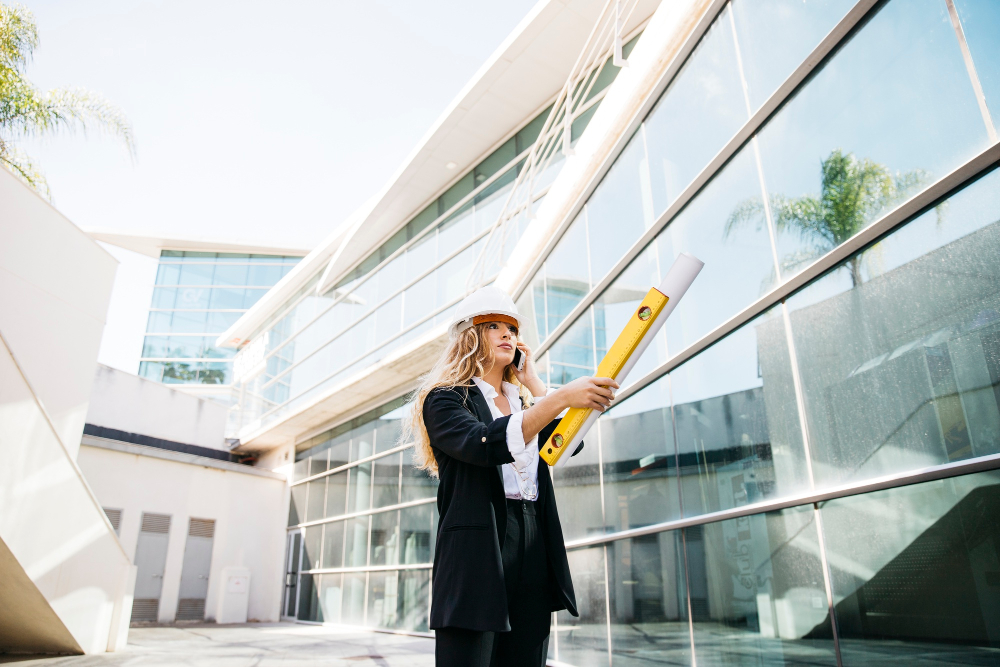
The importance of home and Commercial Property Maintenance in Perth is abundantly clear as we go almost halfway through the...
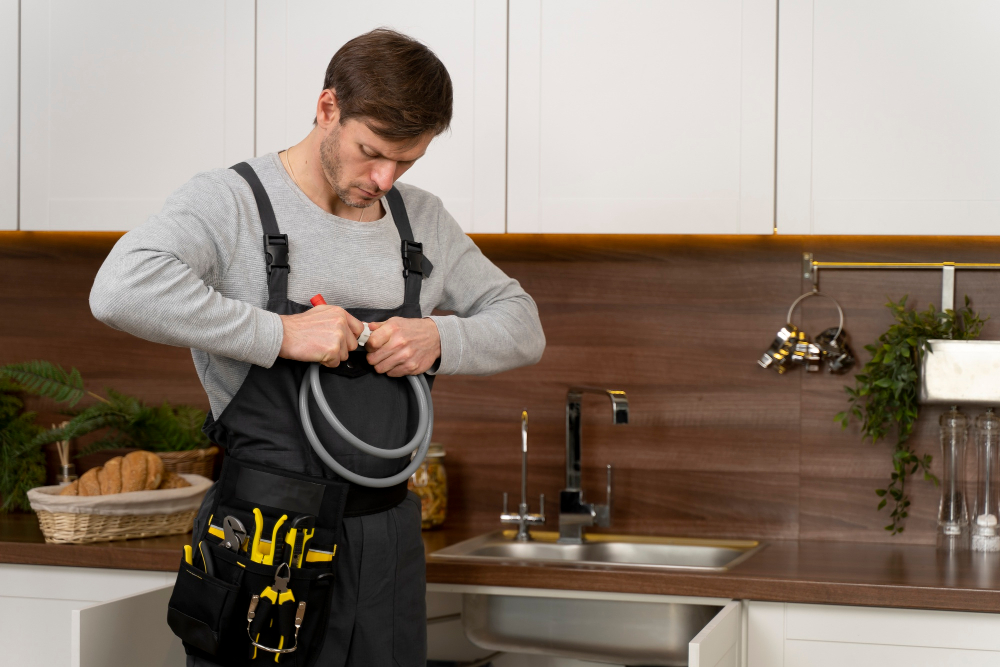
Regular maintenance is crucial to maintaining your home in perfect shape. Woodside Group provides the knowledge and experience you need...

One name that frequently surfaces while looking for a premier home construction firm in Australia is Woodside Group. What distinguishes...

Woodside Group offers professional property care and broad construction Perth services ensuring your property is well-maintained and protected. Our team handles everything ensuring your investment remains well-maintained and valuable.
Copyright @ 2025 WoodSide. All Rights Reserved.
