Commercial buildings are significant investments that require consistent care to remain safe, compliant, and visually appealing. While many property owners focus on repairs only when something goes wrong, waiting for problems to appear often leads to higher costs, business disruptions, and safety risks. The smarter approach is to implement preventive building maintenance Perth programs that include routine inspections throughout the year.
Regular inspections help identify small issues before they become expensive structural problems. They also ensure your building complies with Australian safety standards while protecting employees, tenants, and visitors.
At Woodside Group, preventative maintenance has always been at the heart of our commercial property services, helping Perth businesses extend the lifespan of their buildings while reducing long-term maintenance costs.
Why Commercial Building Inspections Matter
Every commercial property experiences wear and tear from weather, daily operations, equipment usage, and occupant traffic. Perth’s hot summers, seasonal storms, coastal salt exposure, and UV radiation accelerate deterioration of many building materials.
Routine inspections help identify:
Addressing these problems early is significantly less expensive than undertaking emergency repairs or major renovations.
How Often Should Commercial Buildings Be Inspected?
There isn’t a one-size-fits-all schedule. Inspection frequency depends on several factors including building age, usage, location, occupancy, and the systems installed.
However, a lot of commercial buildings benefit from the following inspection schedule.
Monthly Visual Inspections
Property managers or maintenance teams should perform monthly walkthroughs to identify obvious issues before they worsen.
These inspections typically include:
Monthly inspections take relatively little time but often prevent expensive repairs.
Quarterly Maintenance Inspections
Every three months, more detailed inspections should be completed by qualified maintenance professionals.
Quarterly inspections often include:
This schedule forms the backbone of effective preventive building maintenance Perth programs.
Biannual Specialist Inspections
Twice each year, commercial buildings should undergo more comprehensive inspections focusing on critical infrastructure.
These include:
Buildings located close to Perth’s coastline may require more frequent inspections due to corrosion caused by salt-laden air.
Annual Comprehensive Building Inspection
At least once each year, every commercial property should receive a complete professional inspection covering all major systems.
Annual inspections typically review:
These inspections provide an opportunity to create a maintenance budget for the coming year while identifying capital works that may soon be required.
Buildings That Need More Frequent Inspections
Some commercial properties require inspections more often than the standard schedule.
These include:
Healthcare Facilities
Hospitals, medical centres, and aged care facilities require more frequent inspections due to strict health and safety requirements.
Schools
Educational facilities experience heavy daily use, increasing wear on flooring, plumbing, doors, playgrounds, and shared spaces.
Retail Centres
High foot traffic means entrances, flooring, lighting, escalators, lifts, and public amenities should be inspected regularly.
Warehouses
Industrial buildings often contain heavy equipment, loading docks, roller doors, and high-clearance roofing systems that benefit from ongoing inspections.
Government Buildings
Government properties generally follow structured planned maintenance schedules to minimise operational disruptions while maintaining compliance. Woodside Group has extensive experience delivering government maintenance programs across Western Australia.
What Happens During a Professional Inspection?
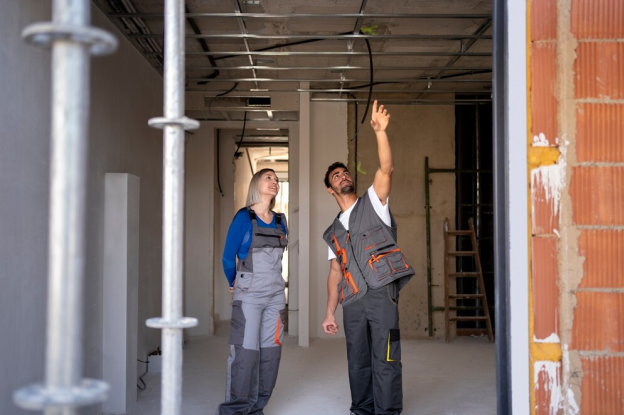
A professional commercial building inspection is far more comprehensive than a simple visual check.
Experienced maintenance teams inspect:
Exterior
Interior
Mechanical Systems
Electrical
Plumbing
Safety Systems
After the inspection, property owners typically receive a report outlining:
Benefits of Preventive Building Maintenance
Many property owners underestimate how much money preventative maintenance saves over time.
An organised preventive building maintenance Perth strategy offers several advantages.
Lower Repair Costs
Minor defects are inexpensive to fix compared to major structural failures.
Reduced Business Disruption
Scheduled maintenance prevents unexpected breakdowns that interrupt business operations.
Longer Asset Life
Regular servicing extends the lifespan of HVAC systems, roofing, plumbing, flooring, and electrical infrastructure.
Improved Safety
Routine inspections reduce workplace hazards and improve occupant safety.
Better Property Value
Well-maintained buildings retain higher market value and appeal to tenants, buyers, and investors.
Easier Budget Planning
Preventative maintenance allows property owners to forecast expenses rather than facing unexpected emergency repairs.
Warning Signs You Shouldn’t Ignore
Even between scheduled inspections, building owners should respond quickly if they notice:
Ignoring these warning signs often results in significantly higher repair costs later.
Choosing the Right Maintenance Partner
A reliable maintenance contractor doesn’t simply repair problems—they help prevent them.
When selecting a commercial maintenance provider, look for:
Woodside Group has over 25 years of experience delivering commercial maintenance, inspections, renovations, and government contract works throughout Perth. Their preventative approach helps businesses minimise downtime while protecting long-term property value.
Final Thoughts
There is no universal inspection schedule suitable for every commercial property, but most Perth buildings benefit from monthly visual checks, quarterly maintenance inspections, biannual specialist reviews, and a comprehensive annual inspection.
Investing in preventive building maintenance Perth services reduces repair costs, extends the life of building assets, improves safety, and helps businesses avoid unexpected disruptions.
Rather than waiting for expensive failures, proactive inspections keep commercial properties operating efficiently while preserving their value for years to come.
FAQ
How often should a commercial building be professionally inspected?
Most commercial properties should receive a comprehensive professional inspection annually, with quarterly maintenance inspections and monthly visual checks to identify smaller issues before they escalate.
What is preventive building maintenance?
Preventive building maintenance involves scheduled inspections, servicing, and repairs designed to prevent equipment failures, structural deterioration, and costly emergency repairs.
Are inspections required for older commercial buildings?
Yes. Older buildings generally require more frequent inspections because ageing materials and systems are more susceptible to deterioration.
What areas are inspected during a commercial building inspection?
Professional inspections typically cover roofing, structural components, plumbing, electrical systems, HVAC equipment, fire safety systems, drainage, interiors, and exterior building elements.
Why is preventive building maintenance important in Perth?Perth’s climate, including intense UV exposure, seasonal storms, and coastal conditions, can accelerate building deterioration. Preventative maintenance helps identify issues early, reducing long-term repair costs and protecting property value.

Renovation can feel like navigating a maze blindfolded. But with Woodside Group, your roadmap for creating stunning and functional kitchens...

Your home reflects both your individuality and taste; when people visit, every corner reveals something about you. Don’t stay behind...
Maintaining commercial premises in Perth’s bustling metropolis is more than simply an aesthetic decision—it’s a calculated risk taken to protect...

The importance of home and Commercial Property Maintenance in Perth is abundantly clear as we go almost halfway through the...

Regular maintenance is crucial to maintaining your home in perfect shape. Woodside Group provides the knowledge and experience you need...

One name that frequently surfaces while looking for a premier home construction firm in Australia is Woodside Group. What distinguishes...

Woodside Group offers professional property care and broad construction Perth services ensuring your property is well-maintained and protected. Our team handles everything ensuring your investment remains well-maintained and valuable.
Copyright @ 2025 WoodSide. All Rights Reserved.
