Commercial buildings are very significant investments that require ongoing care to remain safe, functional, and attractive. Whether you manage an office building, retail centre, industrial facility, healthcare property, or educational institution, ignoring small maintenance issues can quickly lead to expensive repairs, business disruption, and dissatisfied tenants.
For property owners and facility managers in Perth, preventative building maintenance is the most cost-effective strategy for protecting assets, extending building life, and ensuring compliance with Australian safety standards. Rather than reacting to emergencies, a planned maintenance program helps identify issues before they become major problems. Preventative maintenance is also central to Woodside Group’s approach to commercial property care, helping clients minimise downtime and unexpected repair costs.
Here are seven of the most common commercial building maintenance in Perth problems—and practical ways to prevent them.
1. Roof Leaks and Water Damage
Roof leaks are among the most expensive maintenance issues affecting commercial properties. Perth’s intense summer heat, winter storms, and ageing roofing materials can all contribute to deterioration.
Small leaks often go unnoticed until they cause:
Prevention Tips
Routine inspections cost far less than repairing extensive water damage after a major leak.
2. HVAC System Failures
Heating, ventilation and air conditioning (HVAC) systems work hard throughout Perth’s changing seasons. Without regular servicing, they lose efficiency, consume more energy and are more likely to fail unexpectedly.
Common signs include:
An unexpected HVAC failure can disrupt business operations, reduce employee productivity and create uncomfortable conditions for customers.
Prevention Tips
Preventative servicing extends equipment life while reducing operating costs.
3. Plumbing Problems
Commercial plumbing systems experience constant use, making them vulnerable to wear and tear.
Typical issues include:
Even a minor plumbing issue can interrupt business operations and cause costly water damage if ignored.
Prevention Tips
Early repairs prevent emergency call-outs and minimise disruption.
4. Electrical System Issues
Electrical faults represent one of the biggest safety risks in commercial buildings. Overloaded circuits, ageing wiring and damaged switchboards can increase fire hazards and lead to costly downtime.
Warning signs include:
Prevention Tips
Professional inspections help identify hidden problems before they become dangerous.
5. Exterior Building Deterioration
The exterior of a commercial property creates the first impression for customers, tenants and visitors.
Exposure to Perth’s strong UV rays, wind and seasonal rain can lead to:
Neglected exteriors also allow moisture to penetrate the building envelope, causing more serious structural issues.
Prevention Tips
Routine exterior maintenance protects both appearance and structural integrity.
6. Safety Hazards and Compliance Issues
Commercial property owners have legal responsibilities to maintain safe environments for occupants and visitors.
Common hazards include:
Ignoring these issues increases liability risks and may result in costly workplace incidents or regulatory penalties.
Prevention Tips
A proactive maintenance program significantly reduces workplace risks and helps businesses meet safety obligations.
7. General Wear and Tear
Every commercial property experiences gradual deterioration over time.
Common examples include:
While these may appear minor individually, together they negatively affect building presentation and tenant satisfaction.
Prevention Tips
Small repairs completed early are almost always less expensive than major refurbishments later.
Why Preventative Maintenance Saves Money
Many property owners delay repairs in an attempt to reduce maintenance expenses. Unfortunately, deferred maintenance usually produces the opposite result.
Preventative building maintenance offers several long-term benefits:
By identifying problems early, building managers can schedule repairs during quieter periods rather than responding to unexpected failures that interrupt operations.
Professional Commercial Building Repairs in Perth
Commercial buildings require experienced professionals who understand the unique maintenance needs of offices, retail centres, schools, healthcare facilities, industrial properties and government buildings.
Woodside Group provides comprehensive commercial building repairs and preventative maintenance services throughout Perth. With more than 25 years of industry experience, the team delivers customised maintenance programs designed to minimise downtime, improve building performance and extend the life of commercial assets. Their services include scheduled preventative maintenance, emergency repairs, building inspections and asset management tailored to each property. (Woodside)
Whether you manage a single commercial property or a large portfolio, investing in regular maintenance today can prevent expensive repairs tomorrow.If you’re looking for reliable commercial building repairs in Perth or a customised preventative maintenance program, partnering with experienced professionals ensures your property remains safe, compliant and operating at its best for years to come.

Renovation can feel like navigating a maze blindfolded. But with Woodside Group, your roadmap for creating stunning and functional kitchens...
Your home reflects both your individuality and taste; when people visit, every corner reveals something about you. Don’t stay behind...
Maintaining commercial premises in Perth’s bustling metropolis is more than simply an aesthetic decision—it’s a calculated risk taken to protect...
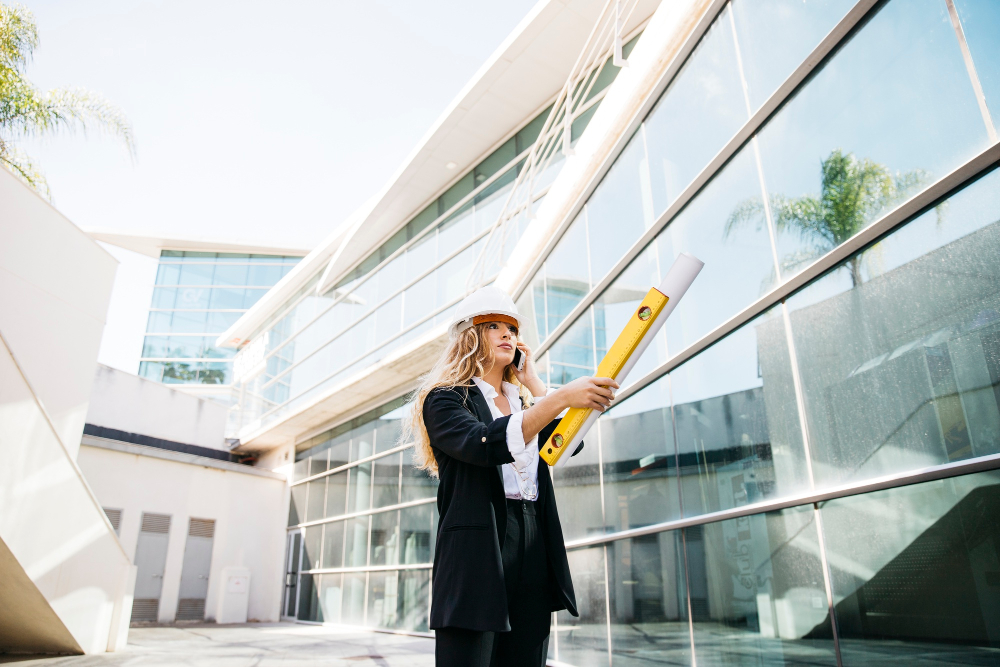
The importance of home and Commercial Property Maintenance in Perth is abundantly clear as we go almost halfway through the...
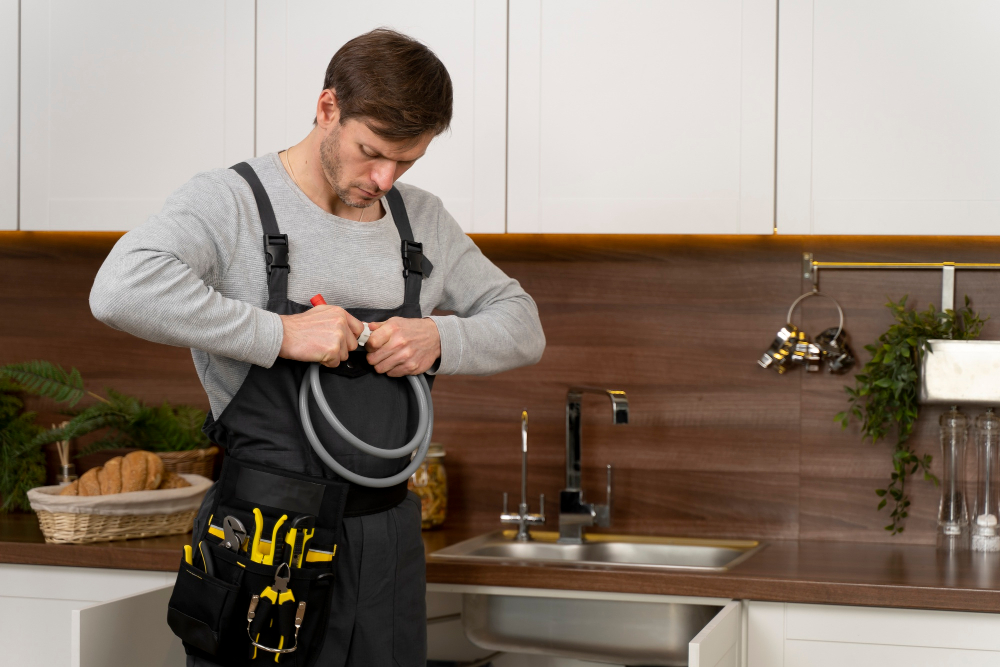
Regular maintenance is crucial to maintaining your home in perfect shape. Woodside Group provides the knowledge and experience you need...

One name that frequently surfaces while looking for a premier home construction firm in Australia is Woodside Group. What distinguishes...

Woodside Group offers professional property care and broad construction Perth services ensuring your property is well-maintained and protected. Our team handles everything ensuring your investment remains well-maintained and valuable.
Copyright @ 2025 WoodSide. All Rights Reserved.
